
The Craftsmanship of Japanese Cast Iron Cookware
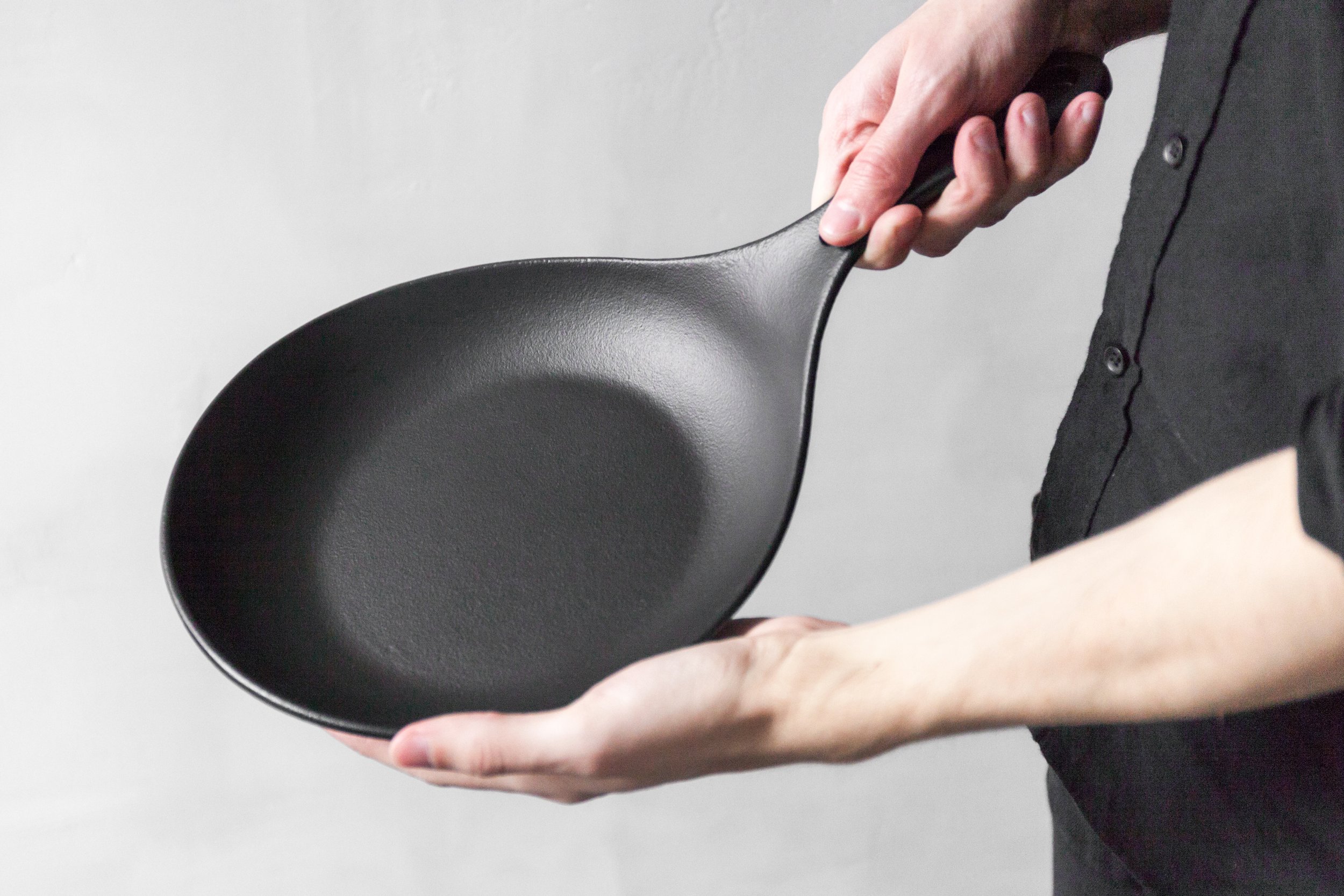
Cast iron has long been a favorite of many cooks, but it often has a reputation as being not that easy to care for and rather fragile, despite its tough exterior. Someone making the leap to using cast iron obviously wants to find something that's as easy to use and care for as possible, and Japanese cast iron cookware fits that bill.
The Art of Craftsmanship: What Makes Japanese Cast Iron Unique
Japanese cast iron is somewhat different from other cast iron kitchenware. Of course, it's still cast iron, but the techniques used to make the pans and kettles that are so treasured are substantially different. Depending on the manufacturer, the tempering process varies; some companies use a process that allows the pan to be used immediately, rather than having you season the pan before using.
Some cast iron is finished with a layer of magnetite, which means all you need to do to prepare the pan is give it a little oil, and voila, you have your perfectly nonstick surface ready to go.
Some Japanese cast iron is even light-weight! Cast iron pans are notorious for being heavy and hard to grip if you aren't that strong. But Sanjo Special Cast has a "featherweight" cast iron pan that makes cooking with cast iron a joy, even if you aren't able to handle heavy pans.
And of course, there are the cast iron tea kettles. There's really nothing like hearing the sound of simmering water, slowly working its way up to a boil in an expertly crafted cast iron kettle. It's soothing and perfect for those times when you want to slow down and relax with some tea.
The Benefits of Cooking With Cast Iron Cookware
Cooking with cast iron has benefits beyond finding something lightweight or easy to use out of the box. The iron from the cookware is known to leach into the food and drink prepared in the pans and kettles, increasing dietary iron intake.
Frying pan cast iron is also very nonstick, eliminating any concerns about chemicals from other nonstick materials. Here, you have just the iron and whatever coating (e.g., magnetite, oil) the style of pan requires. It's perfect for sauteing food and getting a really nice sear on steak.
Cast iron is also virtually indestructible. You can damage the coating and seasoning layer, of course, and any metal can bend if it meets enough force. But typically, cast iron pans and kettles themselves last a very long time. If the seasoning is removed or damaged, you can reapply it.
Care and Maintenance: Preserving the Quality of Cast Iron
So, how about cast iron care? Despite all the rumors saying to never let soap and water touch it, that's not quite true. You can wash cast iron with mild dish soap and water. You don't want to use a lot of soap, nor do you want to use strong soaps or cleansers that contain things like lye and vinegar. Choose something mild that isn't a "power" soap. Use a nylon sponge (or some other gentle material) to scrub the surface of the pan, and never use metallic scrubbers.
If you don't want to use soap, that's not a problem. Use a sea salt and water paste to scrub (gently!) residue from the pan, and rinse with hot water. Dry immediately, and with a paper towel, spread a thin layer of vegetable oil over the surface of the pan.
Never soak the pan. Also, dry the pan immediately after washing. This is not something you leave to drip-dry in the dishrack.
Why Rikumo's Selection of Cast Iron Cookware Stands Out
Rikumo carries a wide selection of Japanese homeware, from kettles and candles to towels and tea. We bring the excellent craftsmanship of Iwachu, Sanjo Special Cast, CK Metalworks, and other Japanese companies to your home. These are long-lasting products meant to make your life easier while also providing a clean, calm aesthetic.
Explore the world of Japanese cast iron at Rikumo. Visit our store or check out our website to see and purchase products that you'll enjoy using for years.