
Jewelry and Accessories: Incorporating Japanese Design Aesthetics in Fashion
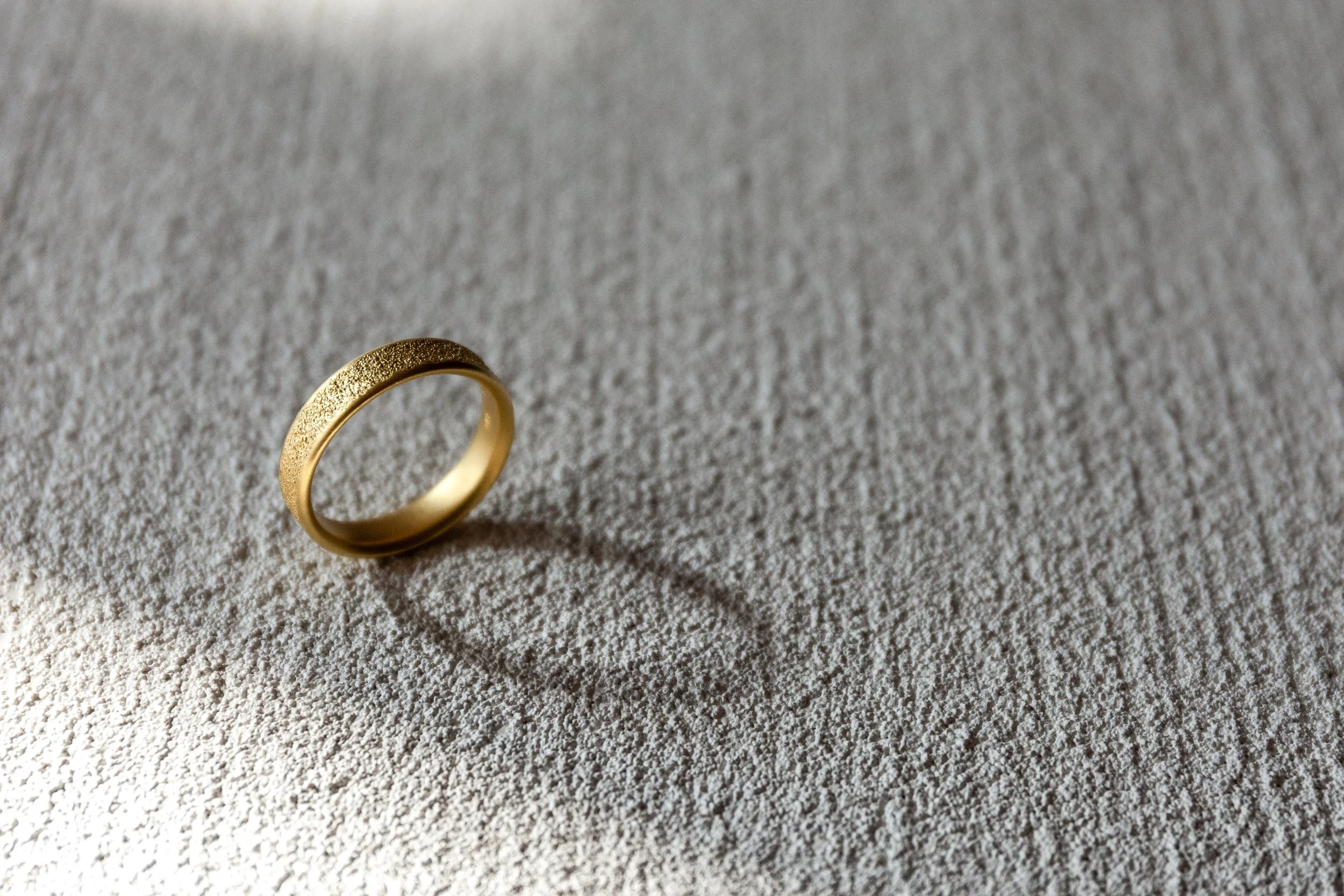
Most people own more jewelry than they actually wear. Drawers full of tangled necklaces, bracelets that seemed like a good idea at the time, earrings missing their partners. Meanwhile, there's usually one or two pieces that get worn constantly because they just work with everything.
Rikumo’s intentional, artisanal jewelry was designed using principles that have been refined over centuries, principles focused on one goal: creating accessories that enhance instead of overwhelm. It's not about minimalism for the sake of being minimal. It's about understanding what actually makes jewelry worth wearing repeatedly instead of sitting in a drawer collecting dust.
What Elevates Japanese Jewelry Over Other Jewelry
Walk into most jewelry stores and you'll see the same story. Bigger is better. Shinier wins. More stones, more metal, more everything. Japanese jewelry design basically said "no thanks" to all of that centuries ago and never looked back.
The concept of ma might sound esoteric until you actually see it in action. It's about negative space, but not in the art class way you're thinking. It's the understanding that the empty parts of a design matter just as much as the filled parts. Picture a silver pendant with deliberate cutouts that let light pass through. Or a bracelet where smooth stones sit separated by just enough space that your wrist can actually breathe. These aren't cost-cutting measures. They're intentional choices that make you notice what's not there as much as what is.
Then there's wabi-sabi, which might be the most freeing design philosophy you'll ever encounter. It's basically permission to stop chasing perfection. A ring with slight hammer marks showing the maker's hand? That's not a flaw. Wooden beads where you can see the actual grain and natural variations? That's the whole point. These pieces age and develop character instead of looking worn out. They're designed to become more yours over time, not less beautiful.
The Cultural Weight Behind Modern Pieces
Japanese jewelry is rooted in cultural significance. There's real history here that still influences what people wear today.
In the Edo period, women wore elaborate hair ornaments called kanzashi that were basically wearable art. We're talking tortoiseshell, lacquered wood, and precious metals, all crafted into intricate designs featuring seasonal flowers and natural scenes. These weren't just pretty things. They signaled status, taste, and a deep connection to the natural world. That same intentionality, that idea that what you wear should mean something, still runs through Japanese jewelry design.
Traditional metalworking techniques have stuck around, too. Mokume-gane, which literally means "wood grain metal," involves layering different colored metals and manipulating them until they look like flowing wood grain or water. Artisans developed this technique centuries ago, and now it shows up in wedding bands and contemporary jewelry that somehow feels both ancient and modern.
The influence of textile arts runs deep in Japanese accessories. Patterns that once graced kimono fabrics now inspire jewelry designs, and the color theory from traditional garments shapes modern pieces in surprising ways:
Deep indigo paired with warm orange creates drama in enamel work that feels bold without being loud
Subtle color gradations called bokashi show up in painted jewelry elements that shift as you move
Geometric patterns from family crests, those mon symbols, translate into pendants that carry personal or cultural meaning
These are living traditions that evolved and adapted while keeping their cultural DNA intact
How This Changes the Way You Dress
When you start incorporating Japanese-inspired jewelry into your wardrobe, something shifts. You're not just adding accessories. You're changing how you think about personal style entirely.
Take kanso, the principle of simplicity. In the same way that streamlined Japanese drinkware focuses on functionality over vanity, it's about clearing away the noise until only what matters remains. In practical terms, this might mean wearing one stunning piece instead of stacking five mediocre ones. A handcrafted, artisanal piece like rikumo’s Futatsubu Necklace can do more for your outfit than a wrist full of bracelets you grabbed on autopilot. The simplicity creates breathing room, lets your personality come through instead of hiding behind accessories.
Shizen is about naturalness, the absence of trying too hard. Sometimes, our jewelry feels like it's fighting against our bodies. Japanese design works with you instead. Earrings that actually move with you. Necklaces that settle into your collarbone like they've always belonged there. Rings that become part of your hand instead of something you're constantly aware of wearing. Best of all, these pieces look better with wear. They develop patinas and character marks that make them more beautiful, not less.
Here's how to actually make this work in practice:
Connect with one piece you genuinely love – Not something you think will necessarily make the biggest impression, but something that feels right. Maybe it's a minimalist pendant, maybe it's a textured bangle. Let that piece anchor your look instead of drowning it.
Think about balance – If you're wearing a statement necklace, your earrings should step back. If your outfit is busy with patterns, choose jewelry with clean lines. This isn't rocket science, just paying attention.
Choose texture over flash – Instead of pieces covered in stones fighting for attention, look for accessories with interesting surfaces. Hammered metals, matte finishes, natural stone that looks like actual stone. These add depth without screaming.
Try asymmetry – Japanese aesthetics favor slight irregularity over perfect matching. This could mean one statement earring instead of a pair, or a necklace with an off-center focal point. It feels intentional instead of accidental.
Let things age – Stop replacing your jewelry every season. Let pieces develop character. This honors the whole idea of finding beauty in aging and change instead of fighting it.
What We Prioritize at rikumo
When you explore our jewelry and accessory selection at our Japanese store in Ardmore, PA, you'll notice something immediately: we don't treat these pieces as afterthoughts shoved near the register to catch impulse buyers. You'll find accessories in our collection that reflect actual artisanal craftsmanship and cultural authenticity. Each piece exists here because it embodies the principles that make Japanese design work.
Our jewelry connects to the bigger picture we're trying to create. The same attention to negative space and natural materials that shows up in our ceramics and home goods carries through to accessories. When you shop with us, you're not just buying a bracelet. You're buying into a coherent design philosophy that makes sense across your entire life, not just one corner of it.
This interconnectedness matters deeply to us. In Japanese design thinking, your home and your personal style aren't separate categories. The artisan creating beautiful teaware might also craft simple silver jewelry. The ceramicist whose bowls you eat from might produce pendant beads with identical glazing techniques. We curate our collection to honor this idea that beauty flows through everything instead of getting compartmentalized.
Making It Work With What You Already Own
The best part about Japanese accessories? They actually play well with your existing wardrobe. These pieces don't demand you overhaul your entire style. They work because they respect fundamental design principles that transcend trends.
For work, Japanese jewelry offers sophistication without distraction. A sleek geometric pendant or wooden bead earrings provide polish without making you look like you're trying too hard. The restraint built into these designs means they enhance your presence instead of competing with it or making your boss wonder if you're interviewing somewhere else.
Casual outfits get instantly more intentional when you add Japanese-inspired accessories. Your basic t-shirt and jeans situation transforms with a handcrafted ceramic necklace or a stack of minimal bangles. The contrast between everyday clothes and thoughtfully made jewelry creates interest without requiring you to plan outfits three days in advance.
Evening wear is where Japanese design really gets to show off, though. While Western formal jewelry often defaults to maximum sparkle, Japanese pieces create impact through form, texture, and material quality:
A single bold ceramic cuff in matte black makes more of a statement than three diamond bracelets ever could
Earrings with natural pearls in irregular shapes feel elegant and fresh instead of like you raided your grandmother's jewelry box
A pendant combining wood and metal elements becomes a conversation starter that doesn't feel like you're trying to start conversations
Why This Matters Beyond Fashion
Japanese design philosophy accidentally nailed sustainability before sustainability became a buzzword. The focus on quality craftsmanship, durable materials, and timeless design means these pieces naturally resist disposable culture.
When artisans spend hours on a single piece using traditional techniques, they're creating accessories meant to outlive you, not just this season. The cultural value of maintaining and repairing instead of replacing extends to jewelry. Many Japanese pieces are designed with future repair in mind, using construction methods that allow for adjustment and restoration decades down the line.
The materials help too. Metal pieces often incorporate recycled materials or come from more responsible sources. This isn't greenwashing. It's just what happens when design philosophy values longevity and materials over disposability and trends.
When Jewelry Becomes More Than Decoration
Japanese jewelry design offers something increasingly rare: pieces that make you slow down and think about what you're putting on your body and why. In a world where accessories compete for attention, Japanese-inspired jewelry takes a completely different approach. These pieces ask you to consider how something feels, how it ages, what it means, not just how many compliments it might get.
The beauty of bringing Japanese design aesthetics into your fashion isn't about following rigid rules or completely changing who you are. It's about opening yourself to principles that prioritize quality, intention, and actual connection over noise. Whether you start with one handcrafted ring or gradually build a collection, you're tapping into a design tradition that has spent centuries refining its understanding of what beauty actually means.
Japanese jewelry doesn't compete with your personal style. It amplifies who you already are, adding layers of meaning and craftsmanship that turn fashion choices from random to purposeful. And maybe that's the most appealing thing: these accessories don't tell you who to be. They help you express who you already are with more clarity and confidence. In a world full of noise, that kind of quiet confidence is its own statement. Start searching for yours by reaching out to us today.