
Wabi-Sabi in Modern Homes: Embracing Imperfection Through Japanese Design
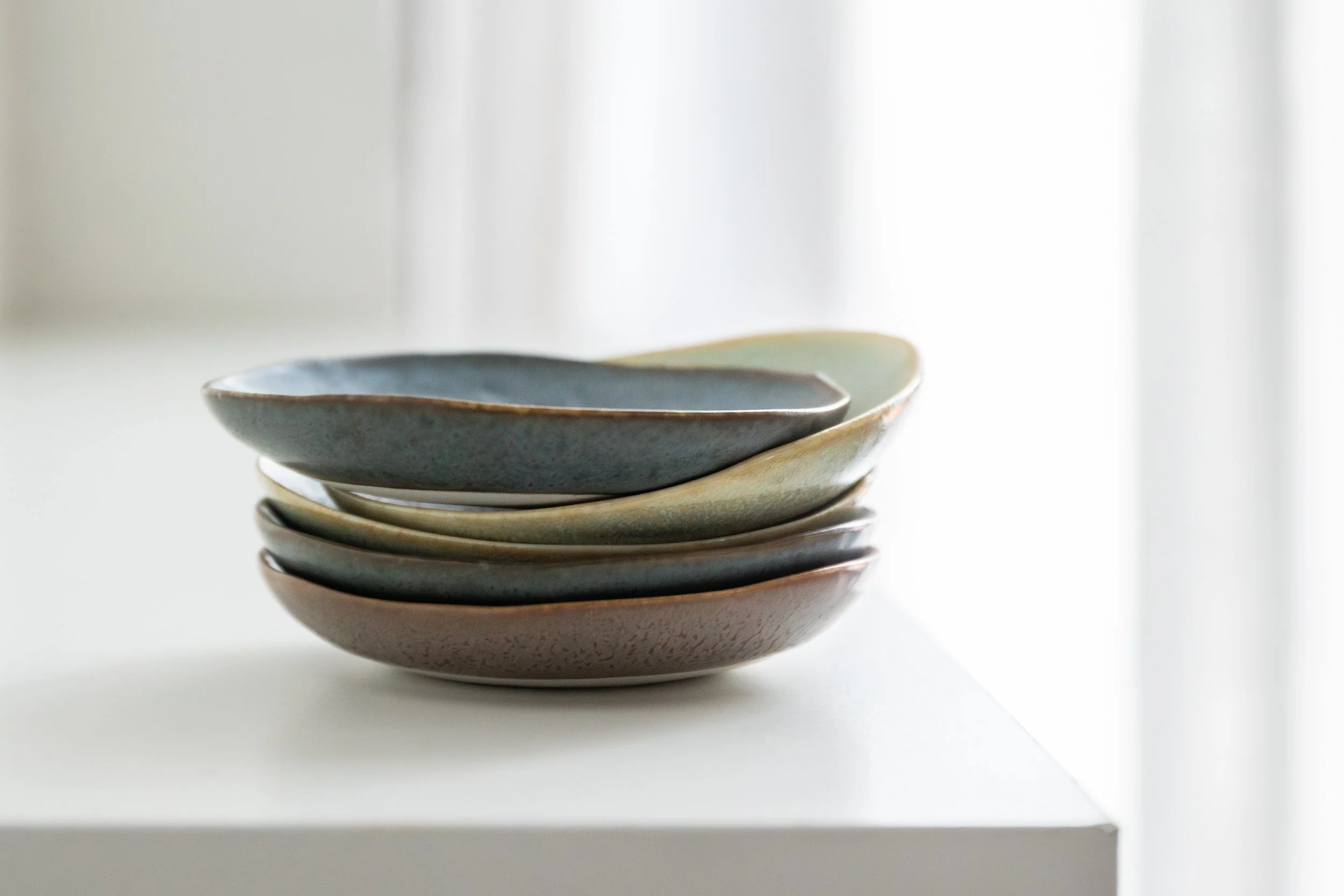
The crack in your favorite ceramic bowl doesn't diminish its value. The weathered texture of reclaimed wood beams tells a richer story than pristine lumber ever could. That vintage cast iron with the slightly uneven surface holds more character in its imperfections than a flawless factory piece. This understanding sits at the heart of wabi-sabi, the Japanese philosophy that has become something of a social media buzzword yet remains profoundly misunderstood.
Rather than chasing unattainable perfection or replacing everything that shows signs of age, wabi-sabi invites us to discover beauty in authenticity, find peace in simplicity, and create spaces that feel genuinely lived in rather than staged. For those seeking to transform their homes into sanctuaries that nurture rather than stress, wabi-sabi offers both a practical design framework and a profound shift in perspective.
Understanding Wabi-Sabi Beyond Surface Aesthetics
This ancient philosophy emerged from Zen Buddhism, and the term combines two distinct concepts: wabi refers to rustic simplicity, while sabi relates to the passage of time and the patina that develops as objects age.
The philosophy centers on accepting transience and imperfection. Where conventional approaches might view a scratch on a wooden table as damage requiring repair, wabi-sabi sees evidence of life being lived. This isn't about artificially distressing new furniture. It's about genuinely appreciating natural materials as they age and resisting the impulse to constantly update your surroundings.
Core Principles of Wabi-Sabi Design
Translating an ancient Japanese philosophy into contemporary home design requires understanding fundamental principles that guide aesthetic decisions.
Embracing Natural Materials
Wabi-sabi design gravitates toward materials that age gracefully. Wood, stone, clay, linen, and other organic materials form the foundation of this aesthetic. A wooden floor that shows wear tells the story of how your family moves through space. Quality wood furniture gains depth as its finish mellows over time.
Celebrating Handcrafted Imperfection
When an artisan creates something by hand, small variations become inevitable. These aren't flaws but evidence of human touch. Handthrown pottery differs slightly in shape and glaze thickness. A textile might feature intentional irregularities in the weave. These details connect you to the creation process and the maker.
Finding Beauty in Simplicity
Wabi-sabi spaces tend toward minimalism, creating breathing room both visually and psychologically. This principle encourages thoughtful curation over accumulation. Rather than filling shelves with decorative items, you might display a single beautiful bowl. The space between things becomes as important as the objects themselves.
Practical Applications for Contemporary Homes
Understanding wabi-sabi philosophically helps, but most people want to know how this translates into actual design decisions.
Living Spaces That Breathe
Begin by editing rather than adding. Remove items that don't serve a clear purpose or hold genuine meaning. A slightly worn leather sofa develops a beautiful patina over time. Rather than covering these signs of age, recognize them as evidence of comfort and use.
Natural lighting plays a crucial role in wabi-sabi spaces. Large windows that bring in natural light throughout the day align perfectly with this philosophy. Introduce living elements like plants or branches to blur the boundary between inside and outside.
Kitchen and Dining Areas
The kitchen offers rich opportunities for wabi-sabi integration. Kitchen towels made from natural materials become softer with washing. Rikumo's collection of Japanese kitchen towels from traditional weaving regions like Imabari exemplifies this principle beautifully. Crafted on vintage, low-speed looms, these towels preserve thread delicacy while featuring simple patterns and quality construction that lasts for years.
Your tableware selection significantly impacts the wabi-sabi quality of your dining experience. Mixing handmade ceramic plates and bowls rather than insisting on perfectly matched sets creates visual interest.
Bedroom Sanctuaries
Bedrooms should offer respite and calm. Natural fiber bedding like linen or organic cotton provides comfort while displaying authentic qualities of wabi-sabi values. The rumpled, lived-in quality signals genuine use rather than staged perfection.
Wooden furniture with visible grain patterns suits bedroom spaces well. Keep decorative elements minimal and meaningful. Rather than covering walls with multiple pieces of art, display a single textile wall hanging or simple pottery piece.
Color Palettes and Material Choices
Wabi-sabi aesthetics favor particular color ranges and material combinations that support the philosophy's underlying values.
Wall Colors
Neutral earth tones, soft whites, and warm grays provide calm backdrops
These shades showcase objects without competing for attention
Natural palettes create visual rest throughout the day
Flooring Materials
Natural wood, stone, and bamboo develop character through daily use
These materials age gracefully rather than simply deteriorating
Visible wear patterns tell stories of movement and life
Textile Choices
Linen, cotton, hemp, and wool in natural dyes soften with use
Organic fibers display authentic texture and improve over time
Simple weaves and minimal patterns emphasize material quality
Ceramic Elements
Handthrown stoneware with rustic glazes shows the maker's touch
Visible irregularities make each piece unique and personal
Quality construction ensures pieces last for generations
Metal Accents
Iron, copper, and bronze develop natural patinas
These materials change color as they oxidize, displaying history
Substantial weight and durability support long-term use
Working With Neutral Palettes
Wabi-sabi color schemes center on earth tones and natural hues. This doesn't mean boring spaces. Natural palettes include warm whites, soft grays, gentle browns, dusty greens, and the varied tones found in stone and wood. These neutral backgrounds allow you to appreciate subtle variations in texture and material.
Letting Go of Perfection
The most challenging aspect of embracing wabi-sabi involves shifting from pursuing perfection to accepting imperfection. Contemporary culture constantly pushes toward upgrade cycles and pristine appearances. Wabi-sabi asks us to resist these pressures.
Five Steps to Embrace Wabi-Sabi in Your Home
Making this shift becomes easier with a practical framework:
Edit Your Space: Remove items that don't serve clear purposes or hold genuine meaning, creating room to appreciate what remains
Stop Replacing Prematurely: Before buying replacements, ask whether wear actually diminishes function or only appearance
Choose Quality Over Quantity: Invest in fewer, better-made pieces that will age gracefully rather than accumulating disposable items
Display Selectively: Show one or two meaningful objects rather than filling every surface, allowing breathing room
Practice Daily Appreciation: Notice small details like morning light on wooden surfaces or the texture of your favorite mug
Creating Spaces That Age Well
When selecting new items, consider how they will age rather than only how they look when new. Some materials improve over time while others simply deteriorate.
Materials That Improve With Age
Items that develop desirable patina and character over time:
Solid wood furniture that can be refinished if needed, but often looks better with natural aging
Natural fiber textiles that soften through washing and use rather than breaking down
Cast iron Japanese cookware that seasons over time, improving performance while developing visual character
Handmade ceramics with quality glazes that don't chip or craze but develop subtle changes through use
Copper and bronze elements that develop rich patinas, changing color as they oxidize
Choices That Support Longevity
Consider construction quality and repairability:
Furniture with quality joinery that can be tightened or adjusted, rather than glued assemblies that fail permanently
Natural materials that can be cleaned, refinished, or repaired, rather than synthetic finishes that peel or delaminate
Simple, timeless designs that won't feel dated, rather than trend-driven pieces that look outdated quickly
Items from makers who support their work and provide repair services or replacement parts
Finding Wabi-Sabi Objects for Your Home
Sourcing items that embody wabi-sabi principles requires looking beyond mass-market retailers. Authentic pieces typically come from artisans who practice traditional techniques.
This careful selection matters because not every item labeled "Japanese-inspired" reflects wabi-sabi values. When evaluating purchases, consider the object's story. Who made it? Using what materials? How will it age? Does it serve a genuine purpose in your life?
Essential Wabi-Sabi Categories
Japanese Textiles
Imabari towels from rikumo demonstrate exceptional quality through low-speed loom production that preserves thread delicacy
Sasawashi bath accessories combine antibacterial Kumazasa fibers with highly absorbent washi paper, improving with each use
Kitchen and bath towels become softer and more absorbent through washing while maintaining their structural integrity
Handcrafted Ceramics
Pottery from Japanese artisans carries unique irregularities in glaze application and form
Tableware collections featuring hand-selected ceramic plates and bowls display authentic craftsmanship
Natural clay colors and simple glazes age gracefully, developing character through daily use
The Wabi-Sabi Mindset Beyond Objects
While much discussion focuses on physical objects, the philosophy extends into how you actually live in and experience your space.
Maintenance Practices That Honor Materials
Wabi-sabi doesn't mean neglecting maintenance. Rather, it involves caring for possessions appropriately:
Wood Furniture: Regular oiling extends life and enhances natural grain patterns found in pieces from craftspeople like Morikougei
Natural Textiles: Proper washing and storage of linen and cotton towels prevent premature breakdown while allowing natural softening
Cast Iron: Seasoning after each use builds protective layers and improves performance over decades
Ceramics: Hand washing preserves hand thrown glazes and maintains the connection between user and object
When something breaks, consider repair before replacement. Sometimes repair isn't practical, but often a broken handle or torn seam can be addressed in ways that honor the object's history.
Frequently Asked Questions About Wabi-Sabi Design
Does wabi-sabi mean my home has to look rustic or primitive?
Not at all. Wabi-sabi can manifest in contemporary, even minimalist spaces, like Japandi wall décor. The key involves emphasizing natural materials, accepting signs of use, and prioritizing authenticity over perfection. A modern home with clean lines can absolutely embody wabi-sabi principles through material choices and a mindset that values patina over pristine newness.
How do I balance wabi-sabi with keeping my home clean and functional?
Wabi-sabi never means dirty or poorly maintained. The philosophy accepts natural aging and wear, but not neglect. Keep your space clean and well-maintained while accepting that use leaves traces. A well-loved wooden cutting board shows knife marks but remains clean and functional. Your favorite linen napkins develop a soft, lived-in quality but still get washed regularly.
Is wabi-sabi expensive to implement?
It can be, but doesn't have to be. Quality artisan pieces often cost more than mass-produced alternatives, but wabi-sabi philosophy also emphasizes using what you have, appreciating existing items, and resisting constant replacement and upgrade cycles. You might invest in a few key pieces over time while primarily shifting your perspective on what you already own.
Can I mix wabi-sabi with other design styles?
Absolutely. Wabi-sabi principles can enhance many design approaches. The emphasis on natural materials, quality craftsmanship, and authentic aging complements Scandinavian design, modern minimalism, and even more eclectic styles. The key involves maintaining some consistency in materials and avoiding clutter that undermines the philosophy's appreciation for simplicity and breathing room.
Bringing Wabi-Sabi Into Your Life
Embracing wabi-sabi represents more than redecorating. It involves shifting perspective on impermanence, aging, and what constitutes beauty. This philosophical foundation makes wabi-sabi both challenging and rewarding.
Start small rather than attempting to transform everything at once. Choose one space or category to approach with wabi-sabi principles. Perhaps you focus on kitchen textiles, replacing synthetic towels with natural fiber alternatives from artisanal Japanese producers. Maybe you begin appreciating the patina developing on wooden surfaces rather than seeing only wear.
Rikumo offers a carefully curated selection of Japanese home goods that embody authentic wabi-sabi principles. From handwoven Imabari towels and Sasawashi bath accessories to artisan ceramics, their collection connects you with traditional Japanese craftsmanship while supporting contemporary artisans who use centuries-old techniques.
Get in touch with us today to explore thoughtfully selected pieces and discover how authentic Japanese craftsmanship can transform your home into a space that nurtures peace, celebrates imperfection, and ages beautifully alongside your life.