
Ceremonial vs. Culinary Matcha: When to Use Each Grade
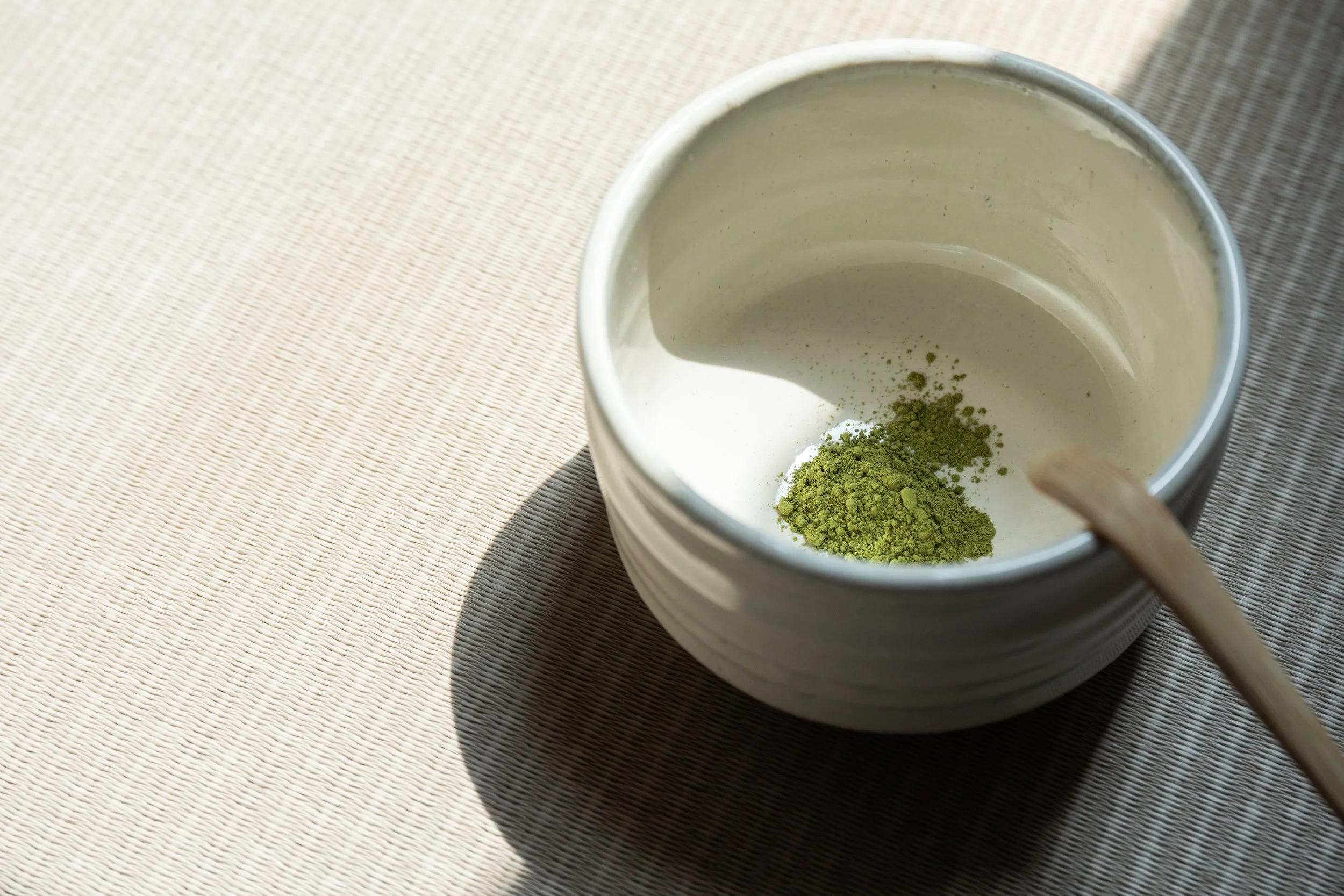
The vibrant green powder sits like a silent promise of clarity in a world that often feels cluttered and loud. It is a finely milled fragment of tradition that transforms simple water into a ritual of focus and flavor. Choosing the right grade is more than a purchase because it is a decision about how you want to experience your morning. This journey into the nuance of the leaf helps you find the perfect shade of green for your lifestyle.
The Foundation of Shaded Growth
Matcha begins its life long before the harvest through a meticulous process of shading the tea plants. Farmers cover the Camellia sinensis shrubs for several weeks to limit their exposure to direct sunlight. This stress encourages the plant to produce an abundance of chlorophyll and amino acids like l-theanine. Consequently, the leaves develop a deep emerald hue and a signature savory sweetness known as umami. This unique cultivation method is what separates this powdered tea from every other variety in the world.
Understanding the difference between ceremonial and culinary grades requires a look at the specific harvest window. The youngest leaves are reserved for the highest tiers of tea, while more mature leaves are used for cooking applications. Each grade serves a distinct purpose in the modern kitchen and the traditional tea room. Some are meant to be whisked with hot water and enjoyed in their purest form. Others are designed to hold their own when mixed with milk, flour, or sugar.
The Nuance of the Ceremonial Sip
Ceremonial grade is the gold standard of the tea world and is intended for traditional preparation. It is characterized by a delicate balance of flavor that avoids the harshness found in lower qualities. When you open a tin of premium powder, the aroma should be fresh, grassy, and slightly oceanic. The powder itself should be vibrant and clump slightly due to its extremely fine grind. This fineness allows the tea to suspend perfectly in water after whisking.
The Morihata Organic Matcha collection offers three specific tiers of ceremonial powder to suit different preferences. The Jun Premium grade is the purest expression of the craft, featuring a vivid hue and a complex, silky finish. Waka Traditional grade provides a mellow taste that is ideal for those who enjoy a smooth, daily ritual. Finally, the Sei Classic grade offers a versatile profile that works well for both drinking and high-level culinary exploration. These options allow you to tailor your tea experience to your specific mood and taste.
Using a ceremonial grade in a batch of muffins would be a disservice to the labor involved in its production. The subtle notes of a first harvest tea would be completely overwhelmed by other ingredients like butter or yeast. It is a more significant investment, making it best reserved for quiet moments of contemplation. Think of it as a fine vintage that is meant to be savored without any distractions. It represents the highest achievement of Japanese tea cultivation.
Traditional Preparation Steps
Sift one to two bamboo scoops of ceremonial powder into a pre-heated tea bowl.
Add about two ounces of hot water that has cooled slightly from a rolling boil.
Use a bamboo whisk to move in a quick, zig-zag motion for about thirty seconds.
Continue whisking until a thick, frothy layer of tiny bubbles forms on the surface.
Sip the tea slowly while it is still warm to appreciate the full flavor profile.
Decoding the Grade Spectrum
Harvest Timing: Ceremonial uses the first spring leaves, while culinary uses later summer harvests.
Flavor Profile: Premium grades offer deep umami and sweetness, whereas lower grades provide assertive bitterness.
Color Quality: Expect an electric neon green for sipping from ceremonial grade and a darker olive hue for cooking powders.
Texture Standards: Silky fine powder is the hallmark of ceremonial grade, while culinary can be slightly coarser.
Primary Purpose: Select ceremonial for pure water preparation and culinary for lattes or smoothies.
Creative Ways to Use Your Matcha
Whisk your powder into a morning fruit smoothie for a balanced boost of energy.
Stir a teaspoon into high-quality yogurt with a drizzle of honey for a quick snack.
Sift the green powder into your dry cake or cookie mixes for a vibrant, natural color.
Blend the tea with fine sea salt to create a unique seasoning for savory dishes.
Mix it into a basic vanilla ice cream base to create a refreshing homemade dessert.
The Role of Stone Grinding
The traditional method of stone grinding is a slow process that defines the quality of premium tea. A single stone mill typically produces only about thirty grams of powder in a full hour. This intentional pace prevents the mill from heating up, which would otherwise oxidize the tea and ruin the flavor. Modern high-speed mills can often scorch the leaves, leading to a duller color and a burnt taste. By choosing stone-ground options, you are supporting a process that respects the integrity of the plant.
This meticulous grinding creates a powder with a particle size that is smaller than many types of pollen. This level of fineness is what creates the creamy mouthfeel that tea enthusiasts crave. When you whisk this powder, it does not actually dissolve like sugar or salt. Instead, the tiny particles become suspended in the water to create a stable emulsion. This suspension is why the quality of the grind is so important for a successful bowl of tea.
The texture of the powder also impacts how it interacts with the air once the tin is opened. Fine, stone-ground tea has a high surface area, making it very sensitive to humidity and light. This is why high-quality tea is always sold in small, airtight containers to preserve freshness. A coarser grind might be more stable, but it will never produce the same luxurious foam. The marriage of ancient stones and young leaves is a pillar of the tea ceremony.
A Shopping Checklist for Quality
Look for the origin of the matcha tea powder to ensure it comes from a reputable region like Uji.
Check for a bright green color that indicates a high level of chlorophyll and freshness.
Verify that the product is certified organic to avoid any synthetic pesticides or fertilizers.
Examine the packaging to ensure it is airtight and opaque to protect against light damage.
Smell the powder for a fresh and grassy aroma rather than a hay-like or dusty scent.
Preserving the Life of the Leaf
Matcha is a living product that begins to degrade the moment it is exposed to the environment. Oxidation is the primary enemy of the vibrant green color and the sweet amino acids. To keep your tea at its peak, you should store the tin in a cool and dark place. Some enthusiasts even keep their tins in the refrigerator to further slow down the aging process. Always make sure the lid is tightly sealed after every use to prevent moisture from entering.
If you notice your powder has turned a dull brownish color, it has likely oxidized or been exposed to too much heat. While it is still safe to consume, the flavor will be significantly more bitter and less aromatic. It is generally best to consume a tin within one or two months of opening for the best experience. Buying smaller quantities more frequently is a better strategy than stocking up on large bags. Freshness is the key to unlocking the full potential of the Morihata collection.
Even the way you handle the tin can affect the longevity of the contents. Avoid using a wet spoon or scoop directly in the tin, as even a drop of water can cause spoilage. It is also helpful to keep the tea away from strong odors like spices or coffee. The fine powder easily absorbs scents from the air, which can alter the intended flavor profile. Careful storage ensures that your last bowl of tea is just as vibrant as the first.
Caring for Your Bamboo Tools
Soak the tines of your whisk in warm water for a few minutes before every single use.
Rinse the whisk thoroughly under cold water immediately after you finish your tea.
Place the whisk on a dedicated ceramic holder to help it maintain its flared shape.
Wipe your bamboo tea scoop with a dry cloth or paper towel instead of washing it.
Store your dry tools in a well-ventilated area to prevent any moisture from being trapped.
The Philosophy of Mindful Consumption
The tea ceremony is built on the pillars of harmony, respect, purity, and tranquility. Every step of the process is an opportunity to practice mindfulness and presence in the moment. When you prepare a bowl of tea, you are engaging with a history that spans over eight hundred years. This connection to the past brings a sense of groundedness to our modern, fast-paced lives. It is a reminder that even the simplest acts can be elevated into a form of art.
Japanese craftsmanship is at the heart of the rikumo philosophy, where every object tells a story of dedication. The tools and tea in the collection are chosen for their ability to bring beauty and functionality to the home. By using these items, you are supporting artisans who have spent decades perfecting their specific craft. This creates a cycle of appreciation that benefits both the creator and the consumer. Every sip is a chance to recognize the human effort behind the product.
Ultimately, the grade you choose is a reflection of your own personal journey with the leaf. There is no right or wrong way to enjoy your tea as long as the process brings you joy. Whether you are seeking a moment of quiet in the morning or a creative spark in the kitchen, there is a matcha powder for you. We invite you to explore the intentionality of this ancient ritual.
A New Standard for Your Morning
Embracing the world of Japanese tea allows you to transform a simple habit into a meaningful ritual. The Morihata Organic Matcha collection provides the quality and variety needed to explore both ceremonial and culinary traditions with confidence. By choosing the right grade and the proper tools, you ensure that every bowl is a success.
We invite you to browse our curated selection of loose-leaf green tea, handmade matcha bowls, and bamboo accessories at rikumo to start your own journey. Explore our full range of Japanese lifestyle goods and find the perfect match for your home today.
Discover the art of the perfect whisk at rikumo. Reach out to us today to discover what you’re missing.