Honoring Craft and Tradition: A Japanese Woodworking Artist Talk with Imoshen Studio
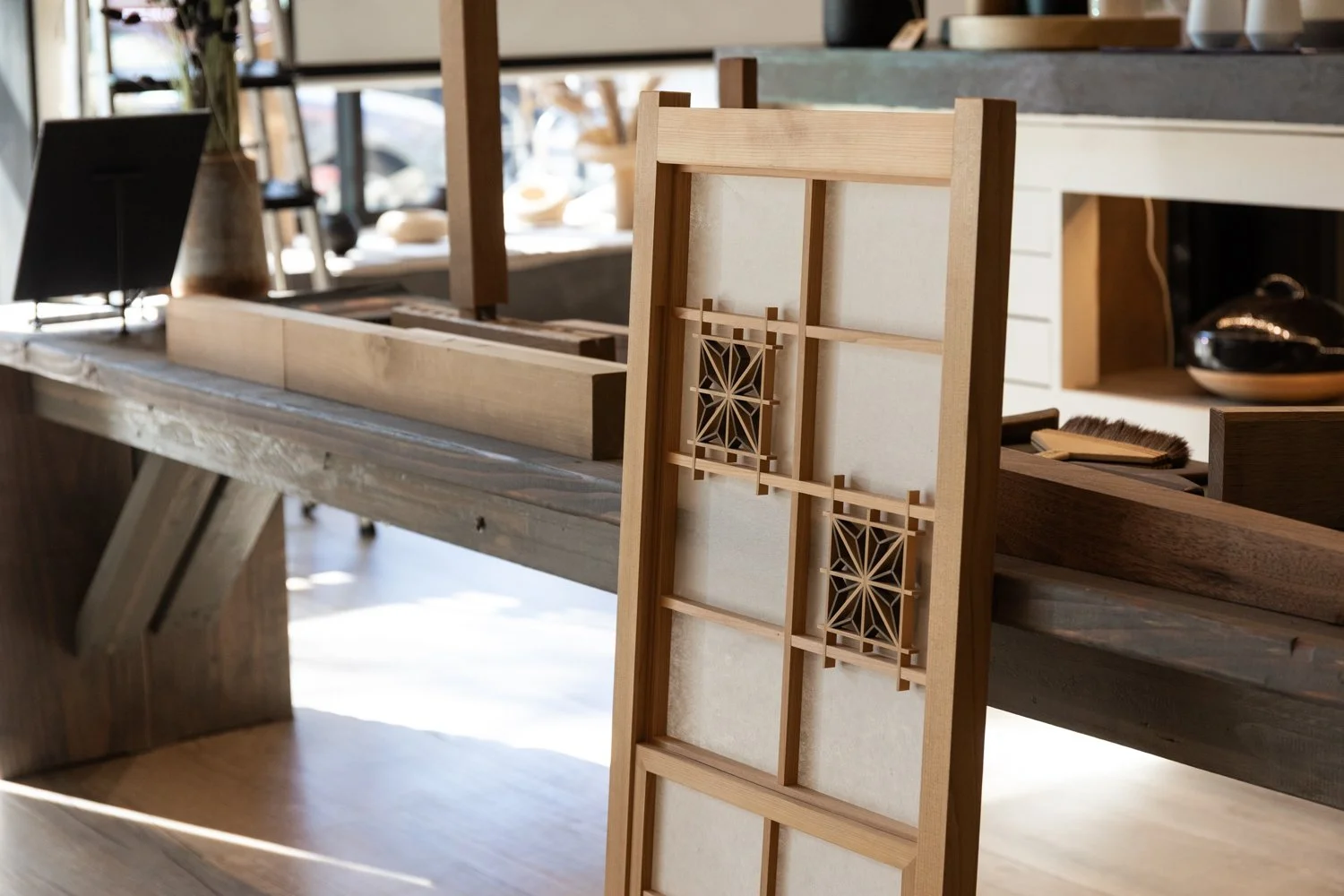
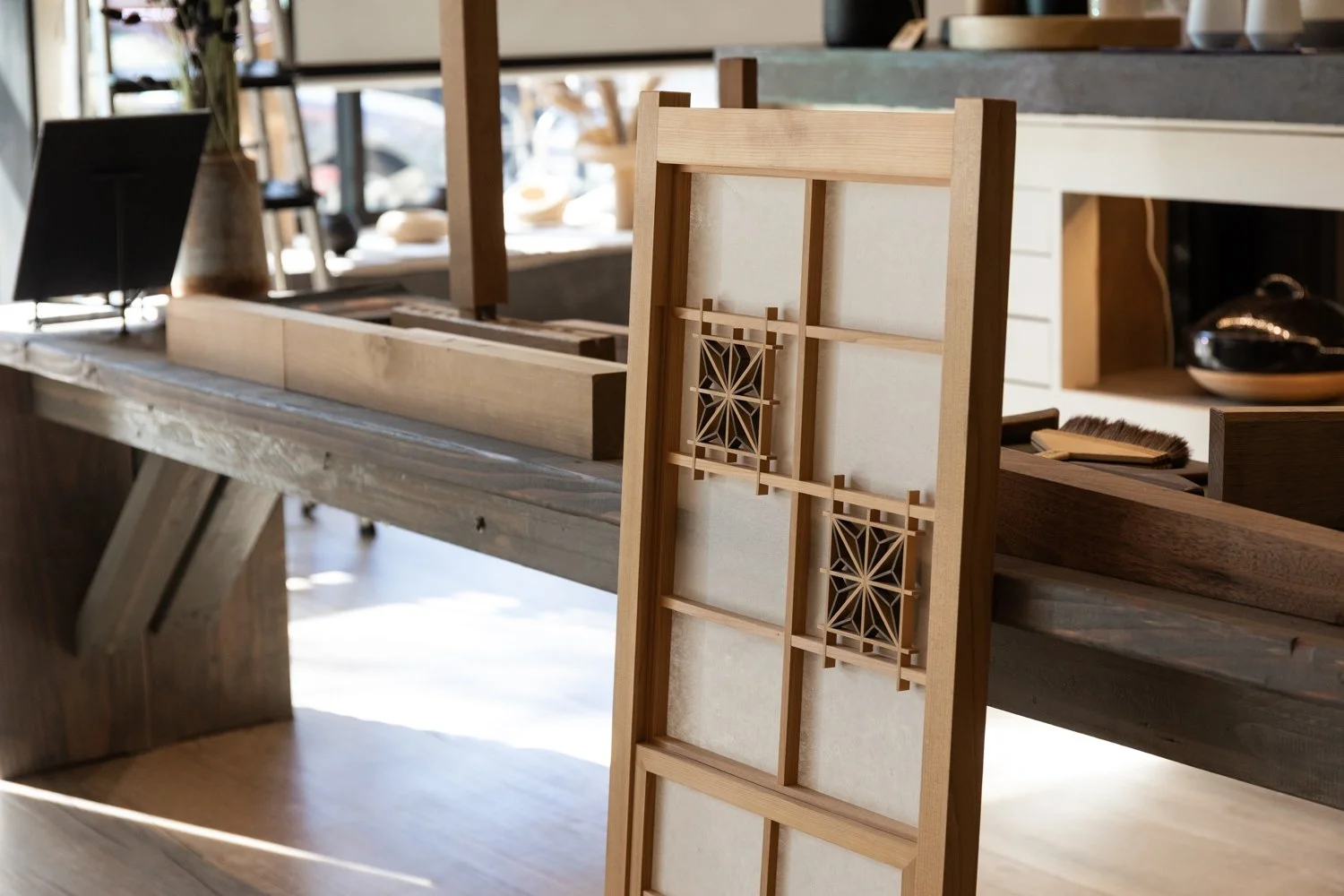
A custom shoji screen made by Allen Fulmer of Imoshen Studio.
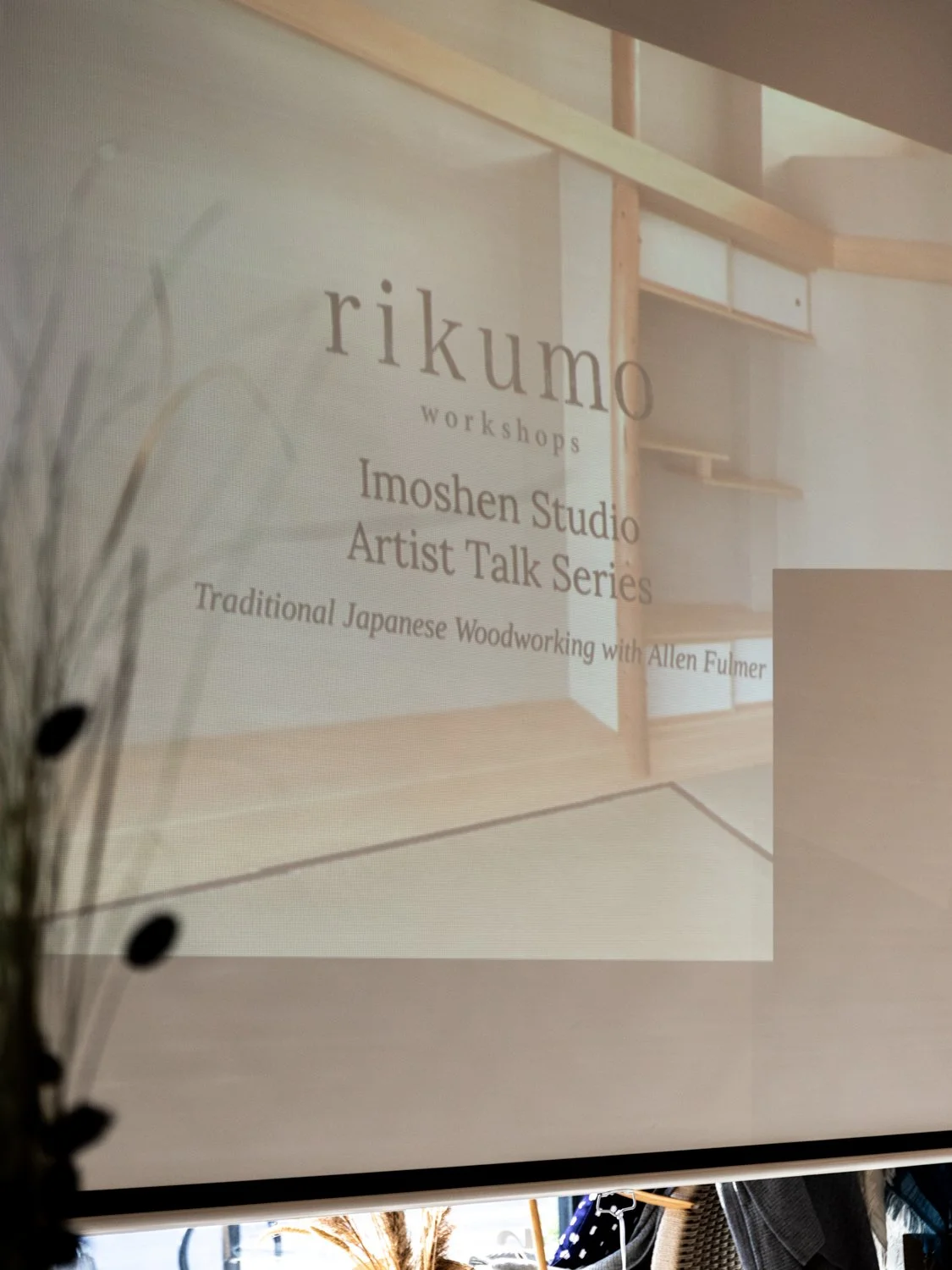
On Saturday, October 25, 2025, our community gathered at the rikumo Concept Store for a special milestone: our 33rd workshop, featuring local fine woodworking artist Allen Fulmer of Imoshen Studio. Rooted in Japanese tradition and guided by a spirit of thoughtful craftsmanship, the afternoon offered an intimate look into the tools, techniques, and philosophy behind Japanese woodworking.
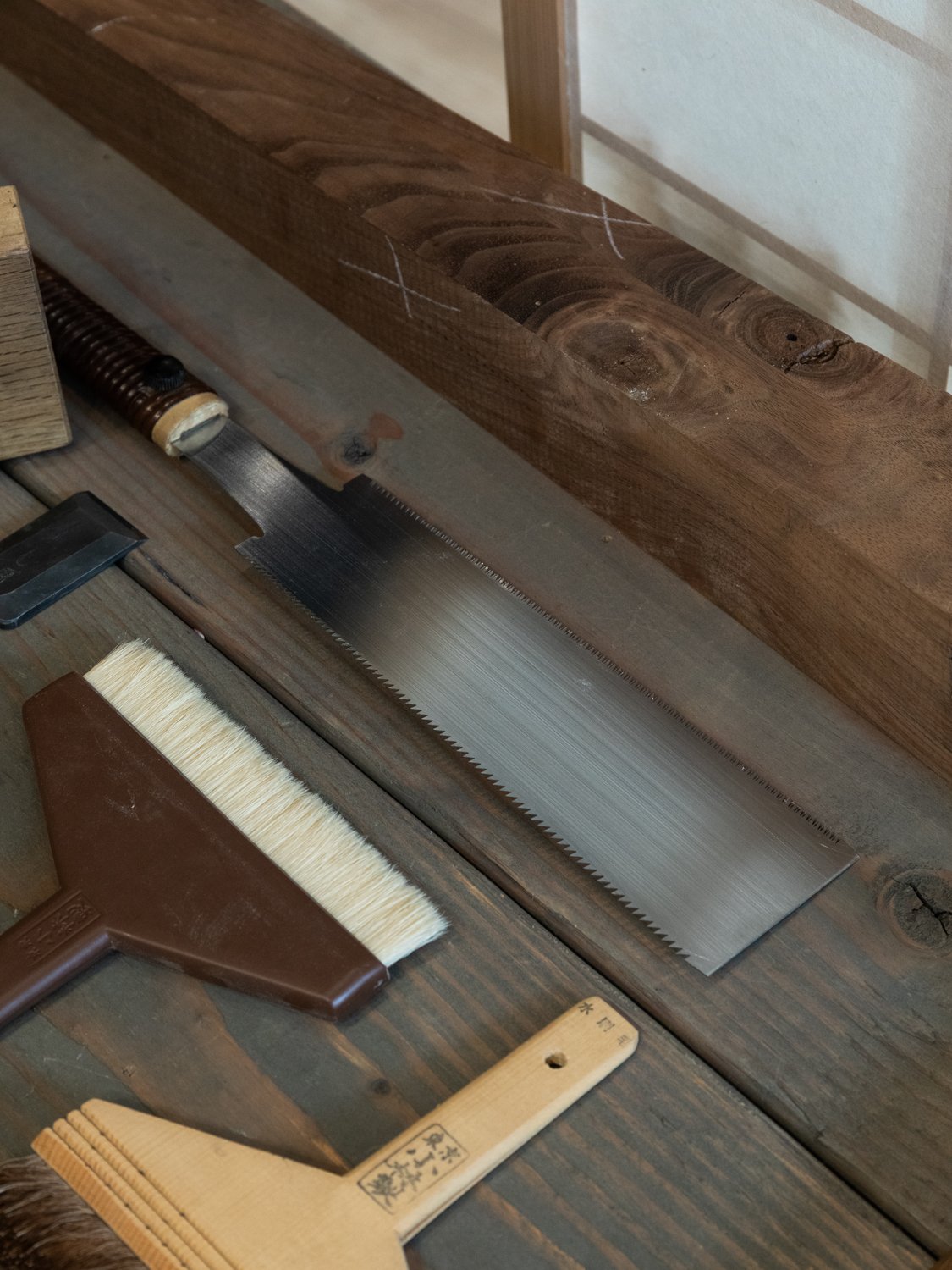
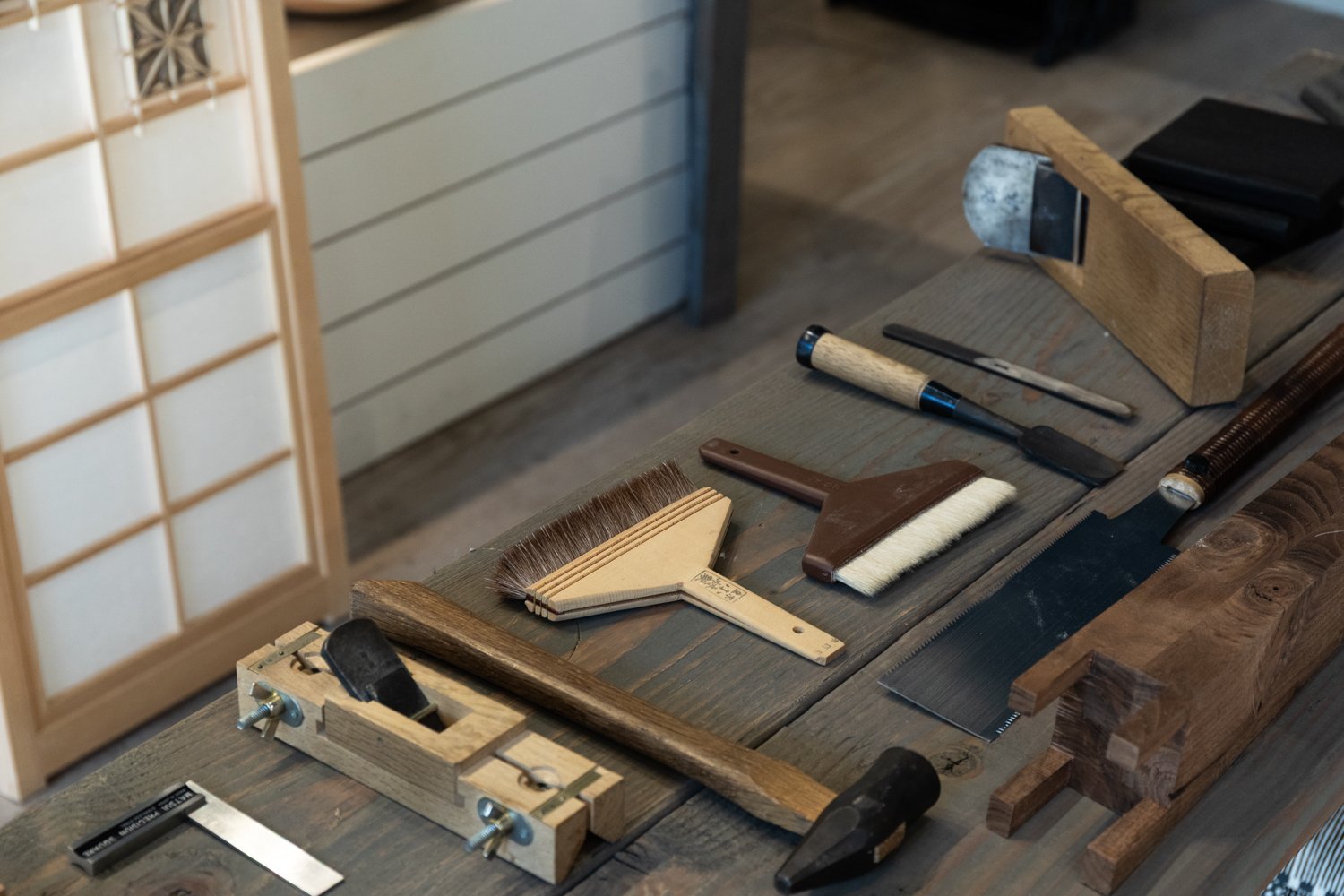
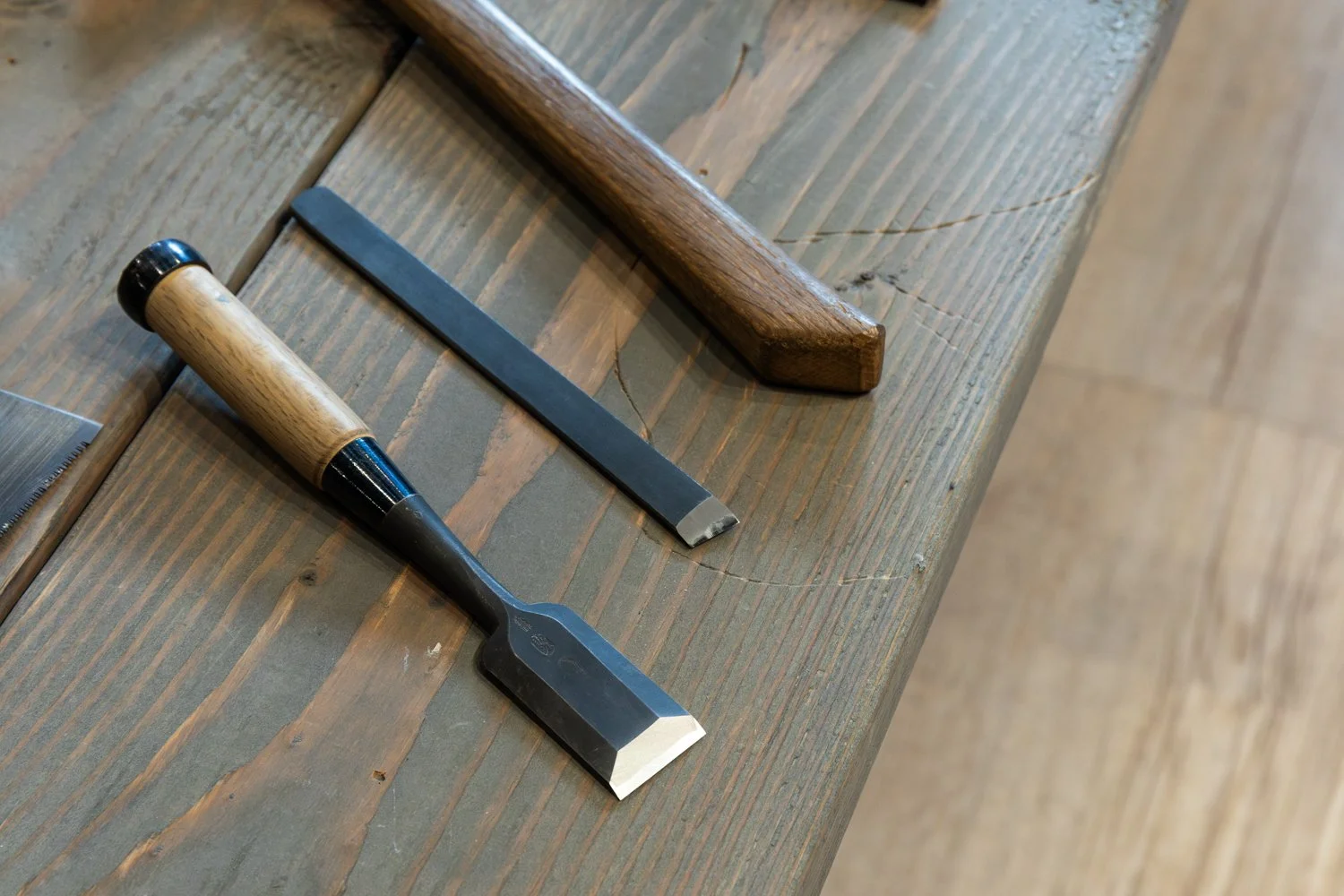
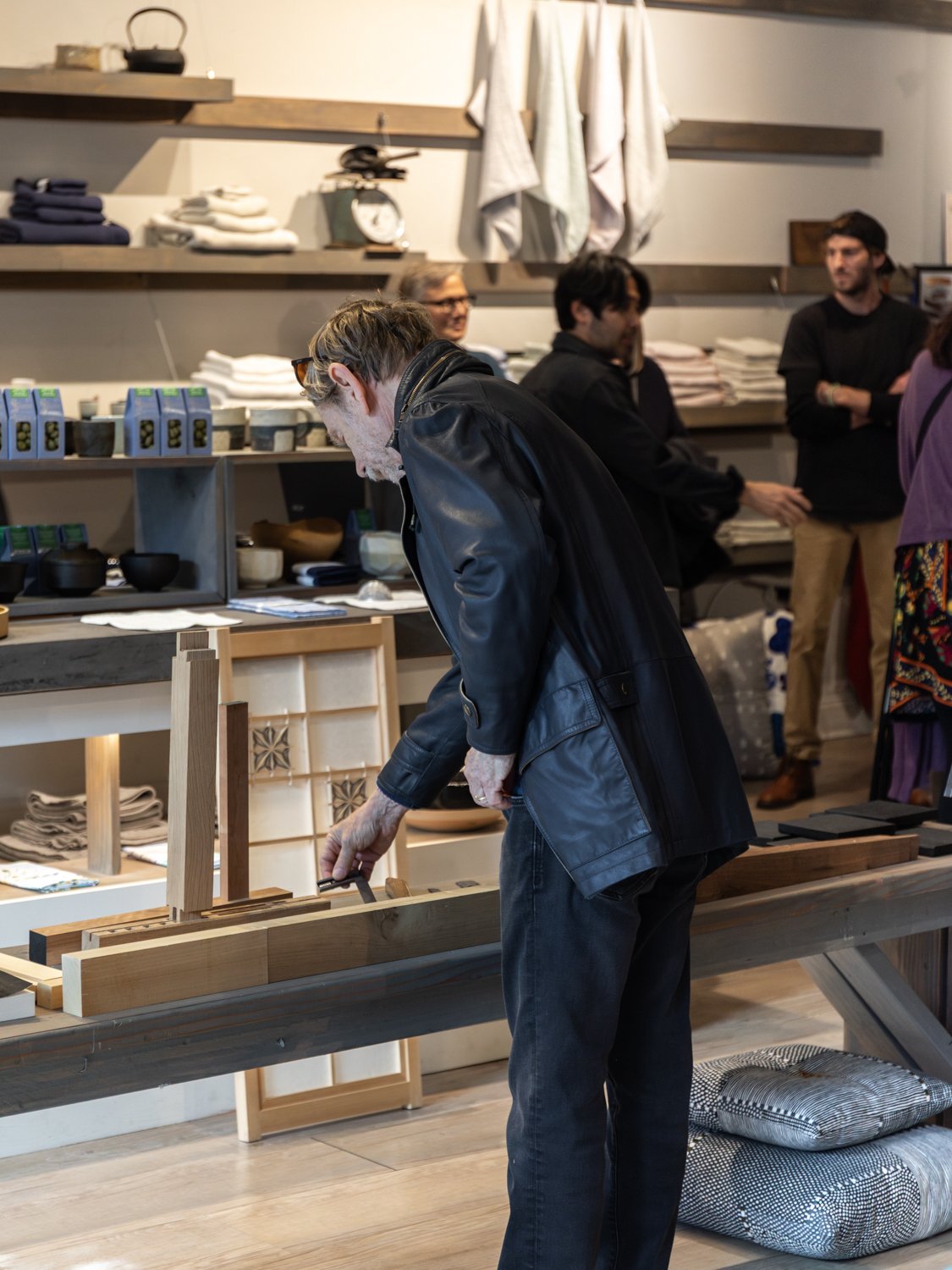
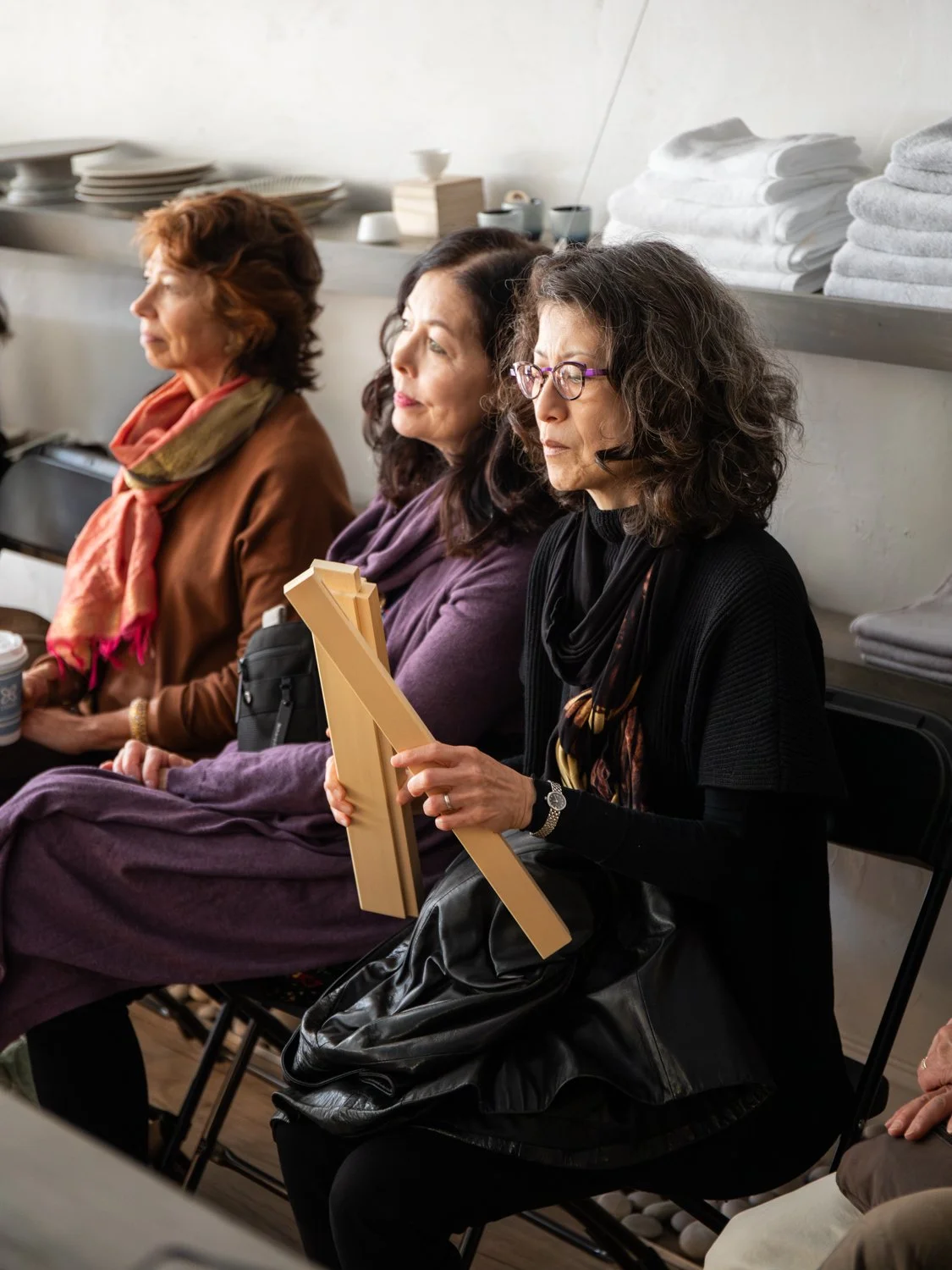
During the artist talk, Fulmer introduced attendees to the fundamentals of traditional Japanese joinery, walking through how these time-honored methods are used to create everything from shoji screens and tea rooms to modern furniture. Guests had the rare opportunity to see his personal collection of Japanese chisels and woodworking tools up close, while hearing firsthand how he learned and continues to practice these preserved techniques in his own studio work.
The conversation extended into technical methods to cutting wood for the perfect wood grain pattern, how to use a Japanese hand plane, and the philosophy of creating a Japanese tea room. Fulmer spoke about wabi-sabi—the appreciation of beauty in imperfection—and how it informs his approach to design, material selection, and sustainability. The talk concluded with a lively Q&A, where attendees asked thoughtful questions about learning traditional skills, sourcing materials, and integrating Japanese craftsmanship into contemporary spaces.
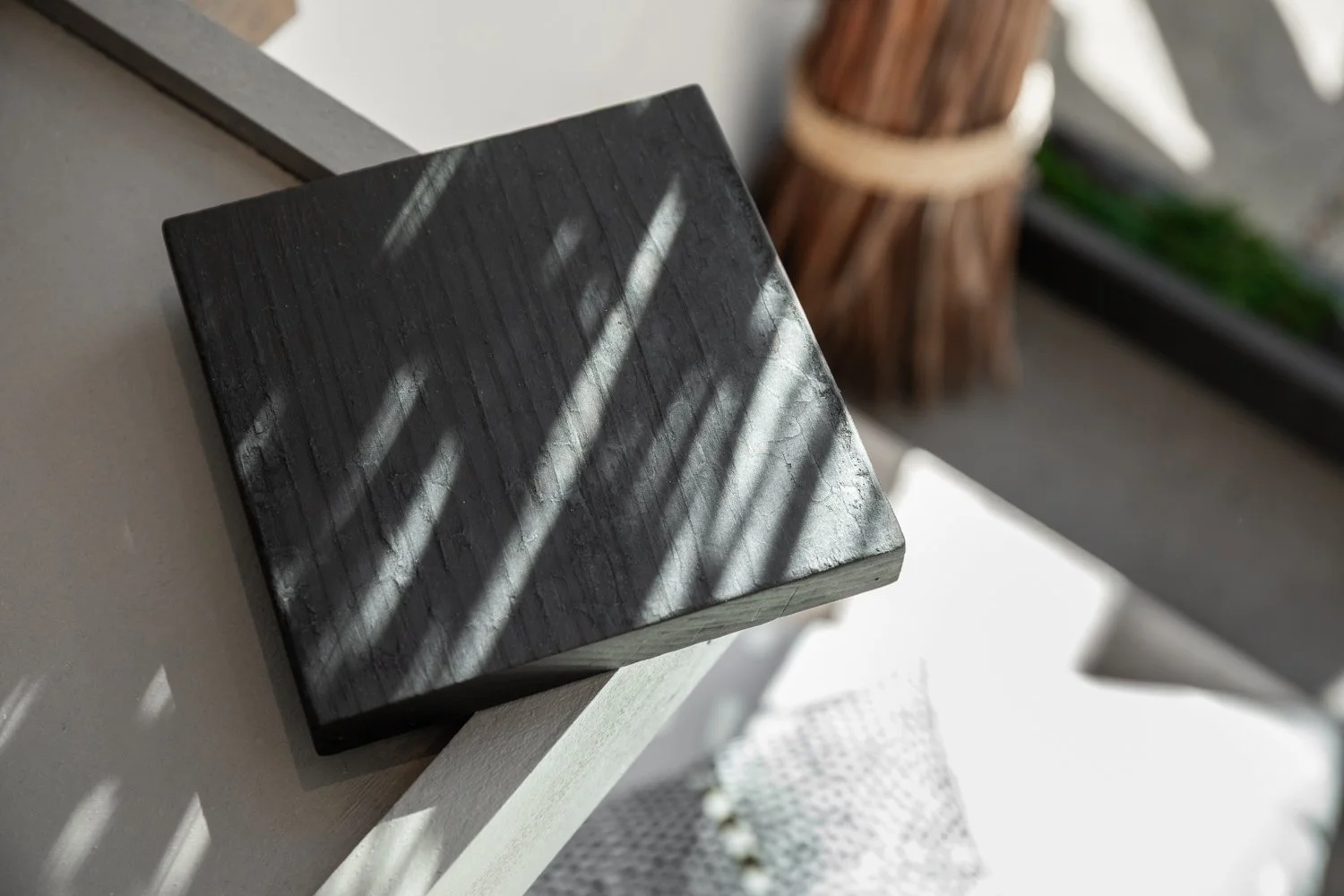
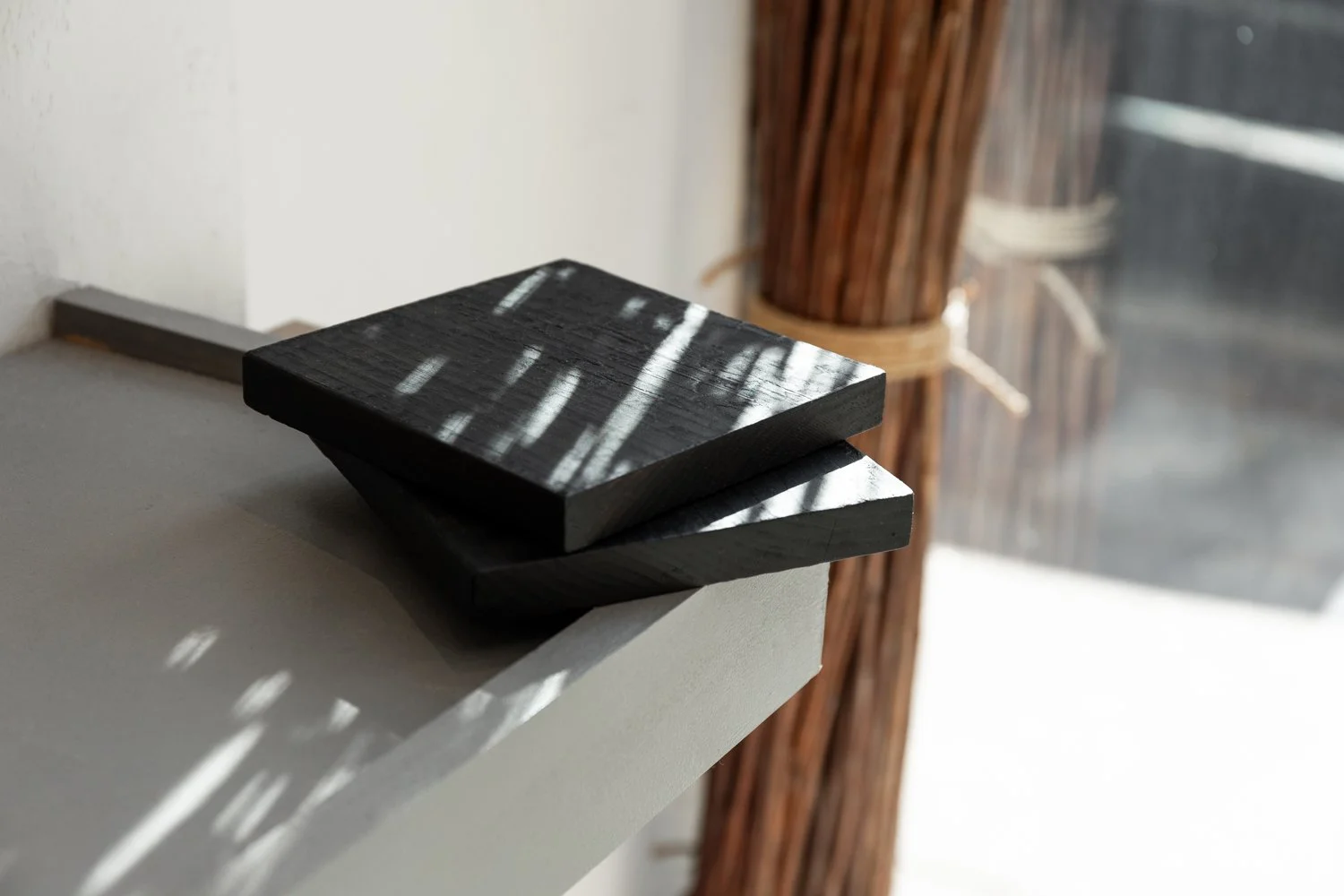
To mark the occasion, we were proud to launch an exclusive collaborative piece with Imoshen Studio: the Yakisugi Trivet. Handmade using the traditional Japanese wood-charring method known as yakisugi (or shou sugi ban), the cedar trivet showcases a deep, striking black finish while enhancing the wood’s durability and resistance to water and heat. With roots dating back to Japan’s Edo period, this technique has been thoughtfully reimagined as a functional yet sculptural object, designed to protect surfaces or stand on its own as a statement piece. Each trivet is unique, reflecting the natural variations of handmade work, and is available exclusively at rikumo.
We’re grateful to Allen Fulmer for sharing his knowledge, experience, and artistry with our community, and to everyone who joined us for an afternoon of learning, connection, and appreciation for enduring craft. Be sure to browse photos from the event below, and sign up for our newsletter to stay up to date on future rikumo workshops and artist collaborations.