
Home Fragrance and Ambiance: Japanese Incense and Aromatics
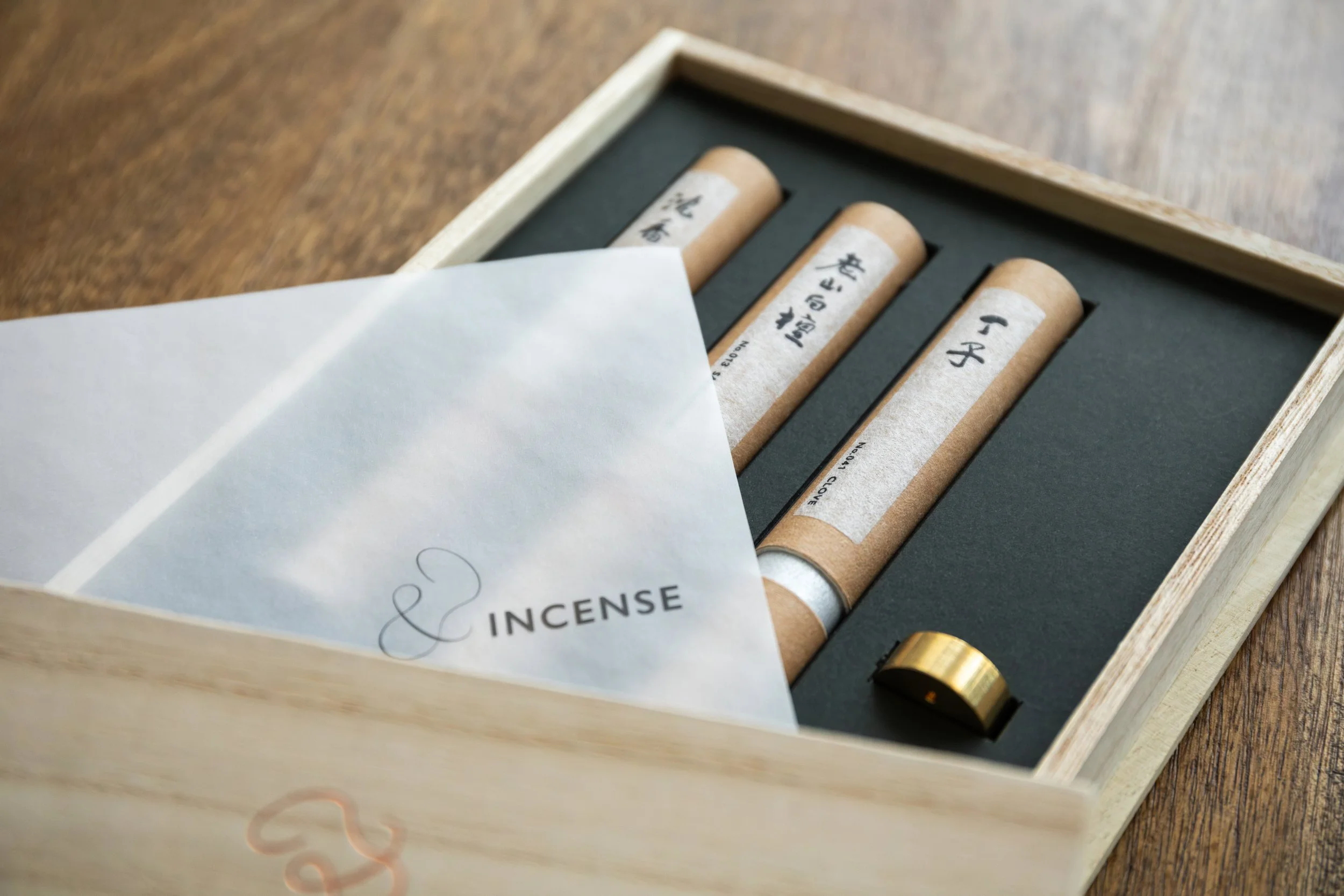
Walk into most homes, and you'll know within seconds whether someone actually thinks about ambiance. In earnest, it’s not about masking odors. They transform environments into experiences, grounding spaces in traditions that have understood the power of scent for centuries.
The Philosophy Behind Japanese Incense
Japanese incense carries weight that goes beyond simple air freshening. For centuries, the practice of Kōdō, the appreciation of incense, has been considered one of the three classical arts of refinement in Japanese culture alongside the tea ceremony and flower arrangement.
Traditional Japanese incense relies on natural ingredients such as sandalwood, agarwood, hinoki cypress, and various botanicals rather than synthetic fragrances. These natural components create subtle depth rather than overwhelming presence.
Understanding Different Japanese Incense Formats
Japanese incense comes in several distinct formats, each serving different purposes:
Traditional stick incense burns slowly for 20 to 30 minutes, releasing a steady fragrance. High-quality sticks like the &Incense Sandalwood contain complex notes of warm buttermilk.
Cone incense offers concentrated fragrance in compact form. Yohaku cone incense, crafted from powdered hinoki cypress, burns for approximately 10 minutes
Paper incense represents innovation within tradition. HA KO paper incense functions as a subtle potpourri for up to three months or burns as incense for approximately seven minutes
Natural wood incense celebrates the aromatic qualities of specific trees. Hinoki offers fresh-cut cypress scent, while Hiba wood, sourced from rare 300-year-old trees, carries natural antimicrobial properties
Washi paper strips combine fragrance with intention, featuring printed messages like "Cheer Up!" or "Take a Break"
Creating Ambiance in Different Spaces
Different rooms benefit from different aromatic approaches:
Living spaces: Hinoki cypress creates forest-like freshness that grounds common areas without becoming cloying
Bedrooms: Agarwood incense helps signal transition from day to night, easing minds before rest
Home offices: Citrus-based incense like bergamot and mandarin creates alertness without jittery energy
Meditation spaces: Sandalwood and frankincense combinations deepen practice by creating olfactory cues associated with intentional stillness
Bathrooms: Lavender and eucalyptus blends create spa-like environments that make everyday routines feel luxurious
The Art of Proper Incense Use
Using incense properly extends beyond simply lighting it and walking away. Choose appropriate holders based on your incense format: cast iron for cones, wooden stands with metal plates for sticks, and stone holders for natural elegance. Placement matters significantly—never burn incense near flammable materials, in drafty areas, or in spaces without adequate ventilation.
Timing creates ritual. Light incense at consistent times, whether morning coffee, evening wind-down, or before specific activities. It’s the perfect accompaniment for the application of Japanese skin care. This consistency trains your mind to associate the fragrance with particular states or transitions, deepening the psychological benefits beyond just a pleasant smell.
The Therapeutic Benefits of Natural Aromatics
Beyond creating pleasant environments, natural Japanese aromatics offer genuine therapeutic benefits:
Stress reduction: Natural wood scents like hinoki lower cortisol levels and create parasympathetic nervous system activation
Antimicrobial properties: Hiba wood contains hinokitiol, a compound with documented antimicrobial and antifungal properties that cleanses the air
Emotional regulation: Using specific scents during meditation or focused work creates anchoring that makes it easier to access those states in the future
Respiratory benefits: Eucalyptus helps open airways while lavender soothes irritation through measurable physiological responses
Selecting Quality Japanese Aromatics
Not all incense is created equal. Understanding quality markers helps you invest wisely:
Look for ingredient transparency with specific materials listed rather than vague "fragrance" designations
Verify origin information from specific Japanese regions, like Kochi for hinoki or Aomori for hiba
Assess craftsmanship, as hand-rolled incense sticks burn more evenly than machine-made alternatives
Notice scent complexity that reveals layered notes evolving as it burns
Appreciate thoughtful, minimal packaging using sustainable materials
Combining Incense with Other Aromatic Elements
Japanese aromatics extend beyond incense to create layered sensory experiences. Essential oil diffusers provide a continuous background fragrance without smoke. Botanical Air blends like Eucalyptus Lavender or Bergamot Mandarin create atmospheres that complement rather than compete with occasional incense burning. Using diffusers during the day and incense for evening transitions gives you a dynamic fragrance that changes with your needs.
Aroma design takes a holistic approach to scent, considering how fragrance interacts with specific spaces and purposes. Rather than one-size-fits-all solutions, thoughtful aroma design matches scent profiles to room functions, seasonal changes, and desired emotional responses. Natural materials like hinoki wood accessories and bamboo textiles release a gentle scent over time, creating a baseline pleasantness that active incense burning then elevates during specific moments. They perfectly dovetail with Japanese bath accessories to help set the mood.
Seasonal Approaches to Home Fragrance
Adapting your aromatic choices to the seasons creates harmony between your indoor environment and the natural world outside. Spring benefits from fresh, botanical scents that mirror renewal, such as paper incense with floral notes or light citrus diffuser blends capture the season's energy. Summer calls for cooling eucalyptus and mint combinations that provide psychological refreshment during the heat.
Fall transitions beautifully with warming wood scents. Hinoki and hiba incense evoke forest walks through autumn landscapes, while sandalwood adds grounding depth as days shorten. Winter embraces rich, contemplative fragrances like agarwood and frankincense create a cozy sanctuary during cold months when we spend more time indoors seeking comfort and introspection.
Common Questions About Japanese Incense
How long does Japanese incense typically burn?
Standard stick incense burns 20 to 30 minutes, cone incense approximately 10 minutes, and paper incense around 7 minutes.
Is Japanese incense safe for people with sensitivities?
Natural Japanese incense made from pure botanicals generally causes fewer reactions than synthetic alternatives. Start with shorter sessions in well-ventilated spaces. Paper incense and essential oil diffusers offer smoke-free alternatives.
Can I use Japanese incense daily?
Absolutely. Daily use is traditional in Japan for meditation and creating intentional transitions between activities. Many find that daily aromatic rituals significantly improve their overall sense of well-being.
How should I store incense to maintain freshness?
Keep incense in cool, dark, dry locations away from direct sunlight and moisture. Avoid storing near strong-smelling items. Properly stored incense maintains quality for years.
Discover Authentic Japanese Aromatics at Rikumo
Creating meaningful home fragrance experiences requires access to authentic, quality products crafted with traditional methods and natural materials. Rikumo curates Japanese aromatics that honor centuries of refinement while meeting contemporary needs.
From HA KO paper incense developed by Japan's oldest incense makers to hinoki and hiba wood varieties sourced from specific regional forests, every aromatic product reflects a commitment to craftsmanship and cultural authenticity. Contact Rikumo today to transform your home’s aromatic profile.